

High-Protein Fatigue: Why 64% of Germans Are Tired of the Protein Hype
Abstract
TL;DR – In 30 Seconds
- 64% of German consumers now consider "high protein" overrated (Mintel, 2026).
- Despite this, supply is increasing: 45% of all functional food launches in 2025 contained protein — up from 37% in 2023.
- The Paradox: The industry is adding protein to everything, while consumers are annoyed.
- What really matters: Not "more protein," but protein quality — 56% already pay attention to amino acid profile and digestibility. Real food beats protein marketing.
The Protein Label is Everywhere
Protein pudding. Protein water. Protein coffee. Protein muesli. Protein ice cream. Protein pizza. Even protein chocolate bars that ironically contain more sugar than protein.
There's hardly a product in the supermarket that isn't available in a "high protein" version anymore.
And this is where something interesting is happening: Consumers have had enough.
A recent Mintel survey (February 2026) shows: 64% of German consumers find "high protein" overrated. Almost two-thirds. That's not a niche – that's the majority.
Nevertheless, the offerings continue to increase. A paradoxical situation. Let's break down what's really happening here.
How We Got Here
Phase 1: Protein was the magic word
A few years ago, protein became the answer to everything. Muscle building, satiety, weight loss, healthy aging. The science behind it is solid – protein is indeed essential, and most people benefit from adequate intake.
Phase 2: The industry discovered it
Marketing realized: "High Protein" sells. So protein became the label. Not because the product needed it – but because it sells better.
45% of all functional food launches in 2025 included protein enrichment. In 2023, it was 37%. The upward trend is unbroken – on the supply side.
Phase 3: The fatigue
And now? Consumers are oversaturated with protein marketing. They see the label on sugary cereals and suspect: Something's not right. Trust is eroding.
This means for you: If you feel annoyed at the sight of the next "protein" product – you're not alone. And your instinct is right. Most of these products don't solve a real problem. They sell a buzzword.
What's Justified About Protein Fatigue
The skepticism isn't just trend fatigue. It has real reasons.
Most Germans get enough protein
Contrary to what is often suggested: a real protein deficiency is rare in Germany. Most people meet their needs through normal nutrition. The actual deficit lies elsewhere – in fiber, not protein.
"High Protein" says nothing about quality
A product can contain a lot of protein and still be bad. A protein bar with 20g of protein, but also sweeteners, flavorings, emulsifiers, and 15 other industrial ingredients is not a healthy food – it's a highly processed product with a protein label.
Quality beats quantity – and people know it
The most interesting number from the Mintel study: 56% of consumers are already paying attention to the quality of the protein – digestibility, amino acid profile, source. No longer just the gram count on the front.
This means for you: The question is no longer "How much protein?". The question is "What kind of protein, in what food?". This is where the market is shifting right now.
The Real Insight: It's About the Food, Not the Nutrient Label
Here's the core. The protein hype has popularized a fallacy: that nutrition should be broken down into individual nutrients and maximized.
But that's not how your body works.
A lentil isn't "protein." It's protein plus fiber plus folate plus iron plus polyphenols – in a matrix that works together. A protein isolate in a bar is disconnected from that.
That's why studies repeatedly show: protein from real foods (legumes, nuts, whole grains) works differently and often better than isolated protein in processed products – not because of the protein itself, but because of everything that comes with it.
This means for you: You don't have to chase protein. If you eat real foods with natural protein content, you'll automatically get the protein – plus everything else your body needs. No label necessary.
The Honest Trend Classification
To keep it fair: Protein isn't bad. For strength athletes, older people at risk of sarcopenia, people in recovery – targeted protein intake is useful and well-documented.
The problem isn't protein. The problem is protein as a marketing reflex – the label that suggests quality where there is none.
The trend will normalize. What remains is the more mature question: not "how much," but "from what."
What Heimatgut Does Differently
Here is our honest position: We are not a protein brand. We are a real-food brand that incidentally delivers good protein.
The difference is fundamental.
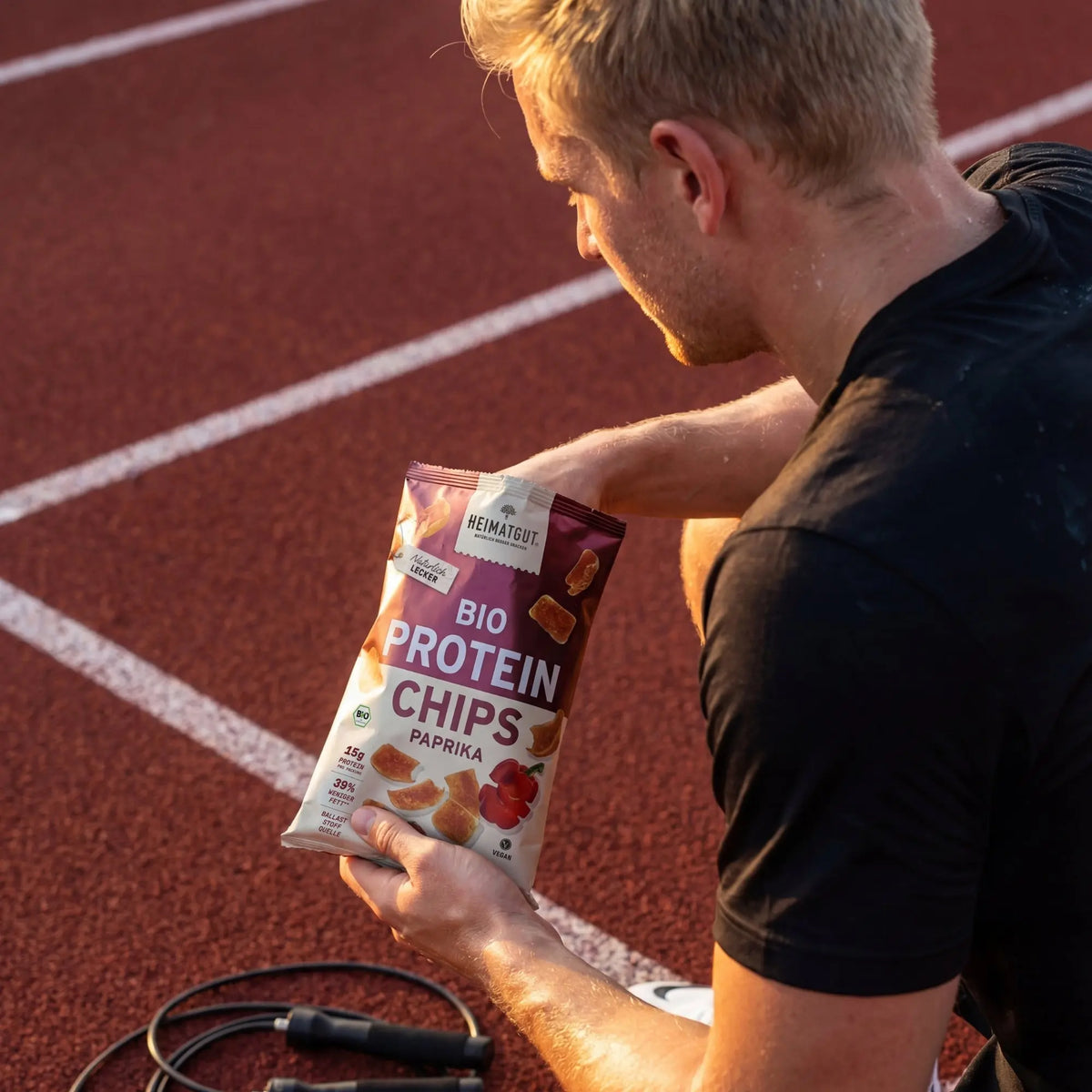
Our Organic Protein Chips have 26g of protein per 100g – not because we've added protein isolate to justify a label, but because pea protein is the main ingredient. The protein comes from the food, not from the lab.
What you won't find with us:
- No "high protein" marketing on products that don't deserve it
- No sweeteners to make protein bars palatable
- No 17-ingredient list with protein isolate in position 1
- No sugary products with a protein label
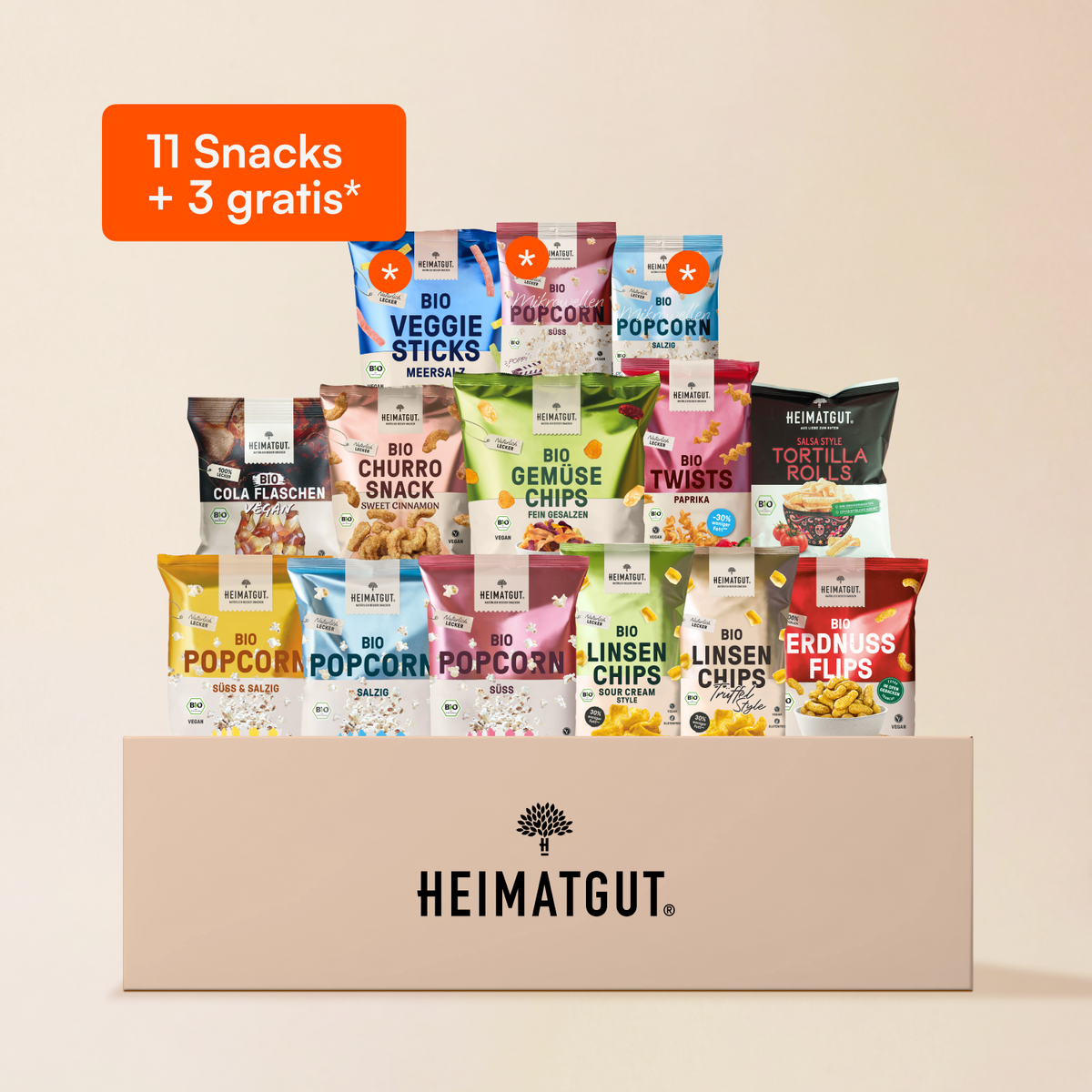
Instead: real ingredients, short lists, protein where it naturally occurs – in the protein chips from peas, in the lentil chips from legumes.
→ To the Heimatgut Protein Box
If you want to delve deeper into why plant-based protein is superior to whey hype: Here's the complete study situation →
Three Takeaways
- Protein fatigue is justified. 64% rightly feel the hype is exaggerated.
- It's not about quantity, but source. 56% are already paying attention to quality instead of gram count.
- Real food beats the protein label. Protein from peas or lentils comes with everything that belongs to it.
You don't have to chase protein. You just have to choose real food.
→ Discover the Heimatgut Protein Box
FAQ
Do I even need protein products? Most people in Germany meet their protein needs through normal nutrition. Targeted protein products are primarily useful for strength athletes, older people, or during recovery phases. For most, real food with natural protein content is sufficient.
Why do so many people find "high protein" overrated? Because the label is used excessively – even on products that are otherwise unhealthy (sugary cereals, sweetener bars). Consumers are increasingly seeing through this and mistrusting the buzzword.
What's more important: protein quantity or protein quality? Quality. Amino acid profile, digestibility, and most importantly: From what food does the protein come? Protein from legumes or nuts brings fiber and micronutrients. Isolated protein in a bar does not.
Is plant-based protein worse than animal protein? No. With adequate quantity and combination of different sources, plant-based protein is equivalent – and brings additional benefits (fiber, secondary plant compounds, better longevity data).
How do I recognize an honest protein product? Look at the ingredient list, not the front. Is a real protein source (pea, lentil, nut) high on the list? Is the list short? Or does it say "protein isolate" plus sweeteners plus flavorings plus 12 other ingredients?
Are Heimatgut products protein products? We see ourselves as a real-food brand. Our Protein Chips have a high protein content because pea protein is the main ingredient – not because we added isolate to justify a label.
Sources:
- Mintel (2026) – via FoodNavigator, "GLP-1s, retro and diversified protein sources: Top food trends in Germany"
- Euromonitor (2026) – Functional Food & Drink Launch Analysis
- Johns Hopkins Center for a Livable Future (2026) – "Food Trends 2026"
- Mintel – German Consumer Protein Quality Perception Survey 2026
- Hall et al. (2019) – Cell Metabolism, Ultra-Processed Foods Study (on food matrix)